
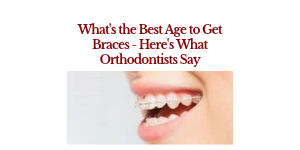
The best time to get braces is usually between the ages of 10 and 14, when most adult teeth have come in and the jaw is still growing. This makes treatment smoother and more predictable.
Many parents wonder if they should wait a little longer or book an orthodontic visit now. It’s a common question, and the answer depends on more than age alone. Every smile grows differently.
Here, we’ll explain what orthodontists look for, why timing matters, and how to know when your child should be evaluated. We’ll also clear up some common myths so you can confidently decide for your family.
Why Timing Matters More Than the Number
Growth Makes a Big Difference
Many people think braces should only be considered after every permanent tooth appears. That’s not always true. Orthodontists pay close attention to jaw growth, tooth position, and bite development. These factors often matter more than a birthday.
When the jaw is still developing, it is easier to guide teeth into healthier positions. This can help avoid more complicated treatment later.
Makes sense, right?
That’s why we often recommend an orthodontic evaluation around age seven, even if braces aren’t needed right away.
What Happens Around Ages 10 to 14?
The Most Common Time for Braces
This age range is often considered the ideal time because:
- Most permanent teeth have erupted.
- The jaw is still flexible and growing.
- Bite problems are easier to correct.
- Teeth usually respond well to gentle movement.
This does not mean every child should start treatment immediately. Some children need to wait, and others benefit from earlier care.
Here is the thing: The right timing depends on your child’s smile, not on what happened with a friend or classmate.
Signs Your Child May Need an Orthodontic Check
Watch for These Changes
You don’t have to wait until all the teeth look crooked. Some early signs deserve attention.
- Teeth are crowded or overlapping.
- The upper and lower teeth do not meet properly.
- Baby teeth fall out much earlier or much later than expected.
- Difficulty chewing or biting food.
- Thumb sucking has affected tooth alignment.
You’ve seen children with these issues, right?
Don’t neglect it. Small concerns today may become substantial challenges if they are left untreated.
Also Read: The Impact of the Canadian Dental Care Plan on Children’s Oral Health
Can Teenagers and Adults Still Get Braces?
It’s Never Too Late
Many teenagers begin orthodontic treatment after age fourteen and still achieve excellent results. Adults now choose braces more than ever because healthy teeth can move at almost any age.
The process may take a little longer for adults because the jaw has stopped growing. Still, healthy gums and good oral care make successful treatment possible.
Isn’t that good news?
If you have been delaying treatment for years, you still have options.
Why a Professional Evaluation Matters
Every Smile Has Its Own Story
No two mouths develop exactly the same way. One child may need early treatment, and another may only need periodic monitoring for a few years.
At our dental clinic in Mississauga, we carefully examine tooth development, jaw alignment, and bite patterns. Only then do we make recommendations. We believe every treatment plan should match the patient’s individual needs.
This is more important than most patients realize.
Choosing braces in Mississauga is not about following a certain age. It’s about deciding at the right stage of development.
Give Your Smile the Right Start at the Right Time
The best age for braces is often between 10 and 14. However, every smile follows its own schedule. Early orthodontic evaluations help us identify problems before they become severe. Teenagers and adults can also benefit from treatment.
If you are thinking about braces in Mississauga, our team at Mississauga Family Dentistry is here to guide you. We’ll provide experienced care and personalized recommendations. Book a consultation with us now.