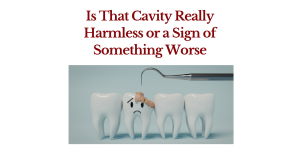
A small cavity often signals bigger changes that can spread to nearby teeth if ignored.
Many people believe a small cavity will stay small. This is rarely true. Cavities form when bacteria weaken the structure of the tooth. Once this process begins, it continues until the damage is treated.
In this blog, you’ll explore how to tell when a cavity is more serious than it looks. This blog will cover early warning signs, related risks, and smart steps that support better oral health.
Early Symptoms That Reveal Hidden Trouble
A minor cavity may not hurt. Many people assume this means nothing is wrong. The problem is that decay often works quietly. It spreads beneath the surface while the outer enamel looks stable.
Sensitivity to temperature changes can be an early clue. A sharp tingle from hot or cold foods means the cavity may be entering deeper layers of the tooth.
Some people notice a sour taste in the mouth. Others see small dark spots that slowly grow. These small changes show that bacteria are active.
When you get regular dental care in Mississauga, your dentist can spot early patterns of decay before they reach the inner tooth structure.
When Tooth Decay Reaches the Inner Layers
A cavity becomes more serious when it reaches the dentin. This layer is softer than enamel. Bacteria spread more quickly once they enter this area.
You may feel a dull ache that appears randomly. The ache can come and go throughout the day.
If the decay reaches the pulp, the pain often becomes stronger. The pulp contains nerves and blood vessels. Infection can begin at this stage.
Some people notice swelling near the gums. Others feel pressure when they bite down. These signs show that the cavity is far past the early stage.
Cavities That Spread to Nearby Teeth
One cavity can affect more than one tooth. When decay progresses, bacteria collect in small spaces between teeth.
Food particles can get stuck easily. This creates a place where decay can move from one surface to the next.
A cavity that spreads between teeth is harder to see at home. Your dentist uses special tools to detect this. Routine dental care in Mississauga helps prevent this type of problem. X-rays and detailed exams reveal early signs before the damage multiplies.
Also Read: The Real Reason Your Breath Still Smells After Brushing
How Gum Health Connects to Tooth Decay
Many people do not realize that gum inflammation and cavities are linked. When bacteria sit along the gumline, the soft tissue becomes irritated. This irritation encourages more bacterial activity on nearby tooth surfaces.
A cavity near the gumline often forms faster than one on the chewing surface. You may notice red gums or bleeding when you brush.
You may also notice slight tenderness when you floss. These symptoms show that the gum area needs attention. If both the gum and enamel are affected, decay can advance more quickly.
Why Cavities Become Worse Without Treatment
Cavities do not heal on their own. The enamel cannot regrow once bacteria break it down. Ignoring a cavity allows the problem to reach the root.
Infection is more likely at this point. Some patients need advanced treatment when the damage spreads.
Putting off routine visits makes it harder to catch decay early. Consistent dental care in Mississauga helps keep small problems from turning into larger ones. Regular exams allow your dentist to guide you toward healthier daily habits.
Extra Tips for Long-Term Oral Health
Good brushing habits help prevent new decay. Gentle flossing also protects the spaces between teeth. Near the end of your daily routine, consider adding professional teeth cleaning as a regular step during your dental visits.
It removes buildup that brushing alone cannot reach. Another helpful tip is to limit frequent snacking. This keeps your enamel strong and reduces the chance of future cavities.
Conclusion
A cavity that seems harmless often hides deeper decay. Paying attention to small symptoms protects your long-term oral health. Early checkups help stop problems from spreading. With consistent care and smart habits, your smile stays safer and stronger.
Contact us to learn more.